 Written by: Pottery Marks Editorial Team
Posted on: July 11, 2026
Written by: Pottery Marks Editorial Team
Posted on: July 11, 2026
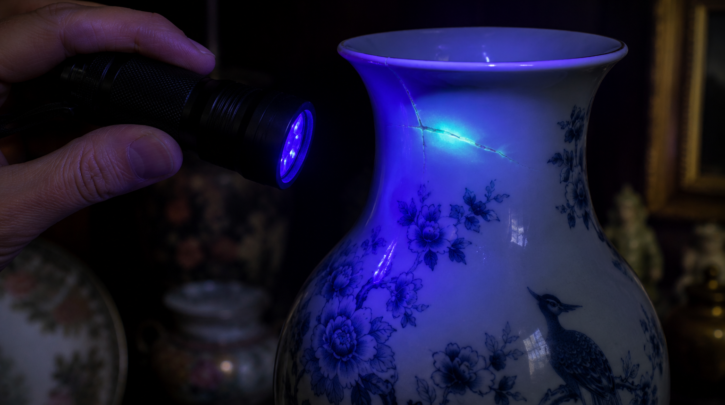
Repairing Chipped and Cracked Pottery
Chips and cracks are among the most common condition issues in antique pottery, and understanding what professional repair actually involves helps set realistic expectations before deciding whether restoration is worth pursuing for a specific piece. Chips: The Most Common Damage Rim chips are genuinely common…
 Written by: Pottery Marks Editorial Team
Posted on: July 11, 2026
Written by: Pottery Marks Editorial Team
Posted on: July 11, 2026
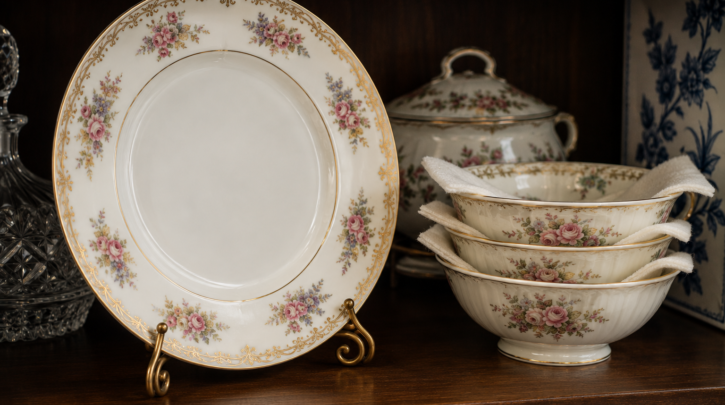
Storing and Displaying Pottery Safely
Good storage and display habits prevent far more pottery damage than any cleaning or repair routine ever will, since they address the risk before it causes a problem rather than fixing damage after the fact. Physical Stability for Displayed Pieces Display stands and plate hangers…
 Written by: Pottery Marks Editorial Team
Posted on: July 11, 2026
Written by: Pottery Marks Editorial Team
Posted on: July 11, 2026
How to Sell Antique Pottery: A Complete Guide
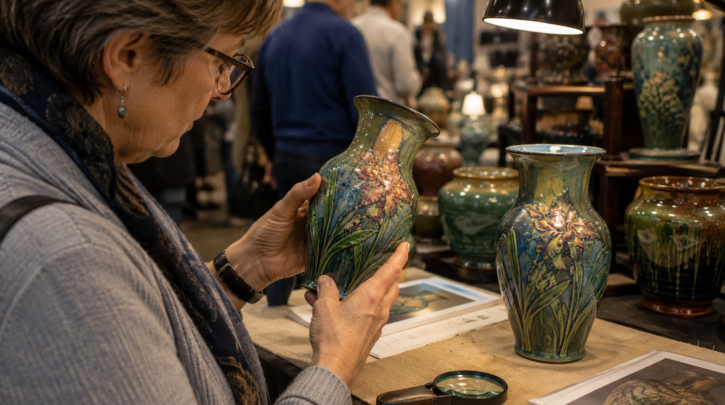
Every antique pottery listing implicitly answers a question the buyer is already asking: how do I know this is real? In categories like Roseville, where import reproductions carrying period-style marks have circulated for years, that question isn’t hypothetical skepticism — it’s the buyer’s default assumption….
 Written by: Pottery Marks Editorial Team
Posted on: July 11, 2026
Written by: Pottery Marks Editorial Team
Posted on: July 11, 2026
Where to Buy Antique Pottery: A Complete Guide
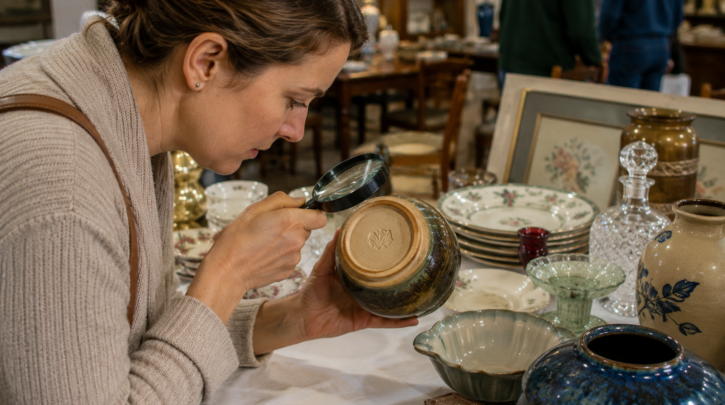
Where you buy antique pottery matters as much as what you pay for it — and for one reason collectors often overlook: trademark protection on a maker’s mark doesn’t last forever. Once a company’s trademark expires, there’s nothing stopping an importer from stamping a brand-new,…
 Written by: Pottery Marks Editorial Team
Posted on: July 11, 2026
Written by: Pottery Marks Editorial Team
Posted on: July 11, 2026
Building a Pottery Collection
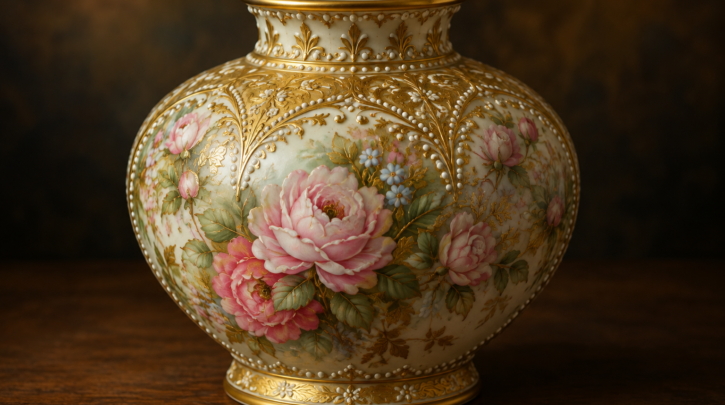
Starting a pottery collection doesn’t require a big budget or deep expertise on day one — but it does call for one skill before anything else: learning to recognize reproductions in whatever maker or category catches your interest. Pottery is one of the categories most…
 Written by: Pottery Marks Editorial Team
Posted on: July 11, 2026
Written by: Pottery Marks Editorial Team
Posted on: July 11, 2026
Nippon Marks: A Complete Guide
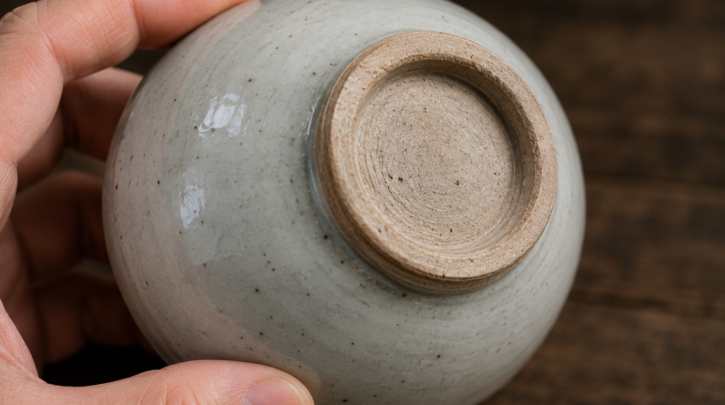
“Nippon” is simply the Japanese word for Japan, but on the bottom of a piece of porcelain, it functions as a remarkably precise dating tool — genuine Nippon marks were used for exactly thirty years, giving collectors one of the cleanest dating windows in the…
 Written by: Pottery Marks Editorial Team
Posted on: July 11, 2026
Written by: Pottery Marks Editorial Team
Posted on: July 11, 2026
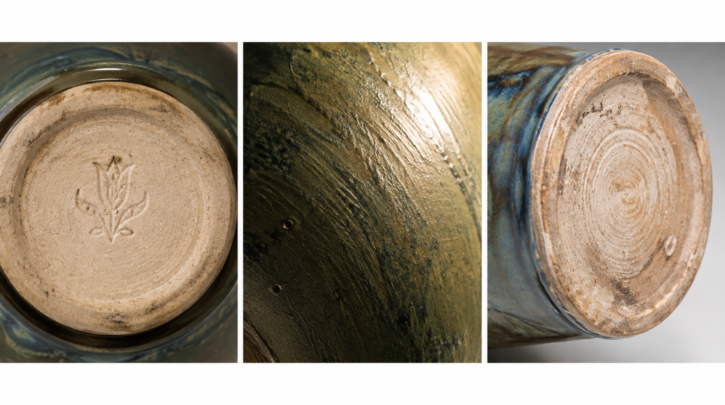
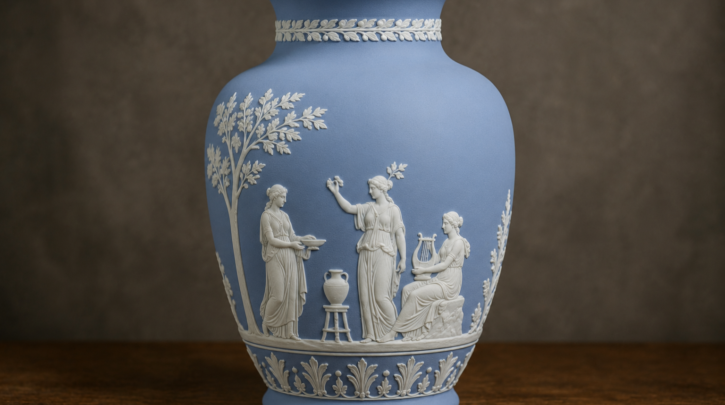
Unmarked Pottery: How to Identify It Anyway
A genuinely large share of pottery in circulation today carries no mark at all — some pieces simply predate systematic marking conventions, others had marks worn away by decades of use, and identifying these pieces requires a different, more physical approach. Why So Much Pottery…
 Written by: Pottery Marks Editorial Team
Posted on: July 11, 2026
Written by: Pottery Marks Editorial Team
Posted on: July 11, 2026
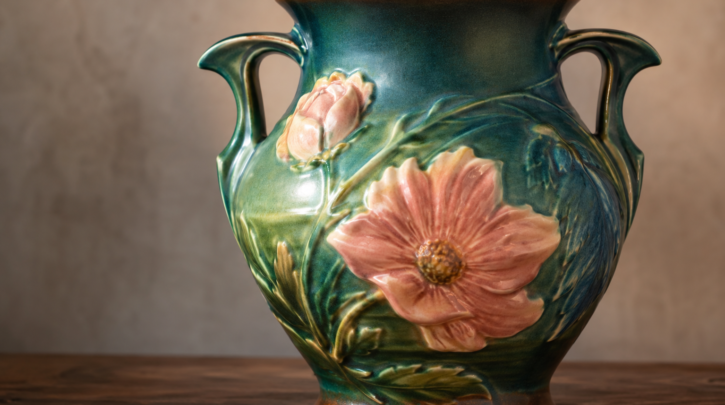
Wedgwood China: A Collector’s Guide
Wedgwood holds a genuinely unique place in British ceramics history as England’s oldest continuously operating pottery, founded by Josiah Wedgwood in 1759 and still producing fine china today — a span of operating history few manufacturers in any collectible category can match. Jasperware: The Iconic…
 Written by: Pottery Marks Editorial Team
Posted on: July 11, 2026
Written by: Pottery Marks Editorial Team
Posted on: July 11, 2026
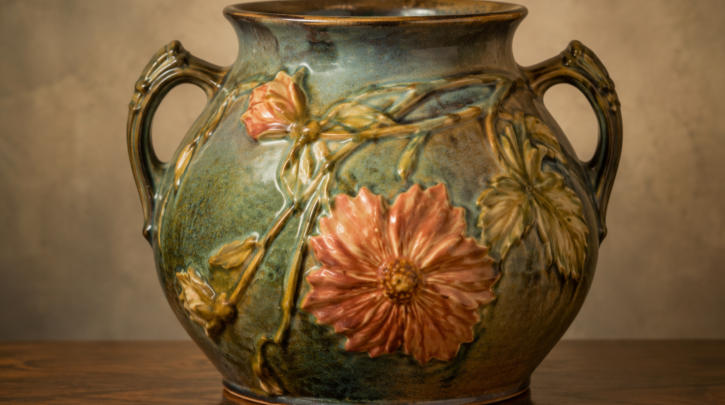
Roseville Pottery: A Collector’s Guide
Roseville Pottery stands among the most prolific and widely collected American art pottery makers, with an Ohio-based operating history that produced dozens of distinct named lines spanning an enormous range of styles, quality tiers, and price points. A Company Built on Named Lines Rather than…
 Written by: Pottery Marks Editorial Team
Posted on: July 11, 2026
Written by: Pottery Marks Editorial Team
Posted on: July 11, 2026
Weller Pottery: A Collector’s Guide
Weller Pottery grew into one of the largest American art pottery producers by sheer volume, operating from the same general Ohio region that made this area a genuine historic center of the broader American art pottery movement. A Shared Regional History Weller operated in close…