
 Written by: Pottery Marks Editorial Team
Posted on: July 11, 2026
Written by: Pottery Marks Editorial Team
Posted on: July 11, 2026
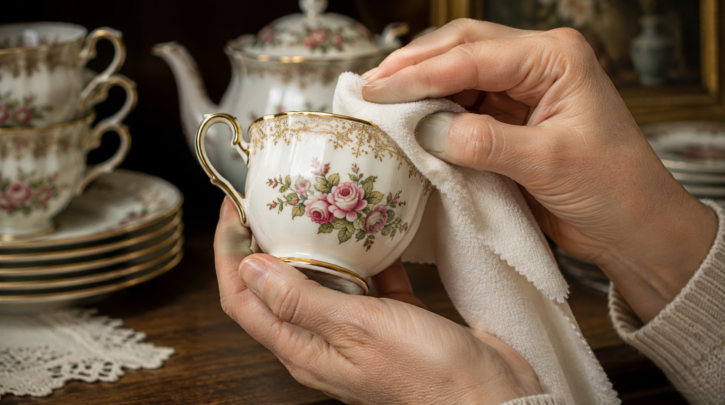
How to Clean Antique Pottery Safely
Cleaning antique pottery safely starts with recognizing that glaze condition and surface type change what’s actually safe to do — a cleaning approach that works fine on a smooth, intact glaze can cause real damage on a crazed, unglazed, or already-cracked piece. Glazed vs. Unglazed…
 Written by: Pottery Marks Editorial Team
Posted on: July 11, 2026
Written by: Pottery Marks Editorial Team
Posted on: July 11, 2026
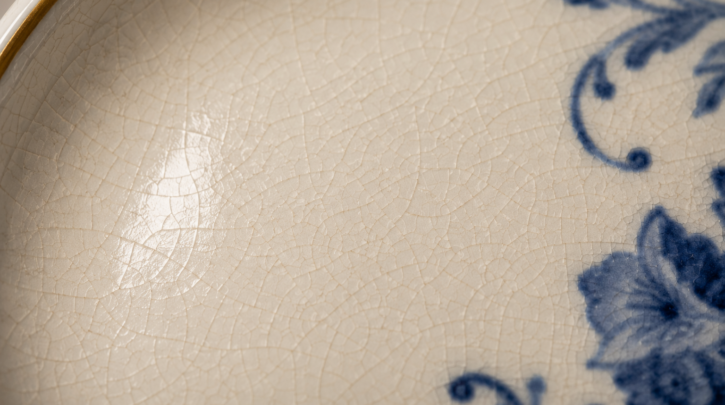
Pottery Crazing Explained
Crazing — the fine, web-like network of cracks visible on the glazed surface of many antique and vintage pottery pieces — is one of the most common condition issues collectors encounter, and understanding what it actually is changes how you should think about it. What…
 Written by: Pottery Marks Editorial Team
Posted on: July 11, 2026
Written by: Pottery Marks Editorial Team
Posted on: July 11, 2026
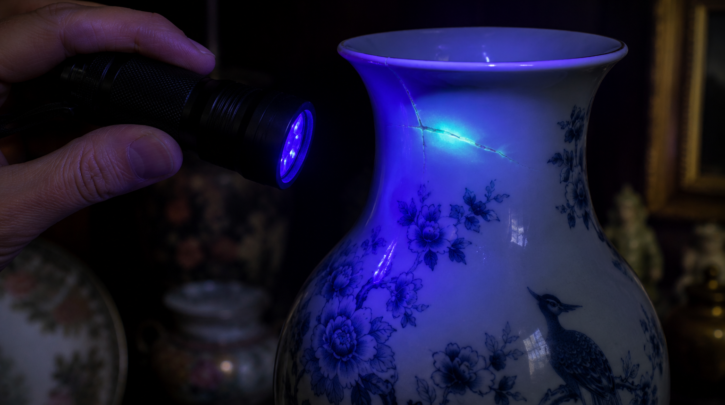
Repairing Chipped and Cracked Pottery
Chips and cracks are among the most common condition issues in antique pottery, and understanding what professional repair actually involves helps set realistic expectations before deciding whether restoration is worth pursuing for a specific piece. Chips: The Most Common Damage Rim chips are genuinely common…
 Written by: Pottery Marks Editorial Team
Posted on: July 11, 2026
Written by: Pottery Marks Editorial Team
Posted on: July 11, 2026
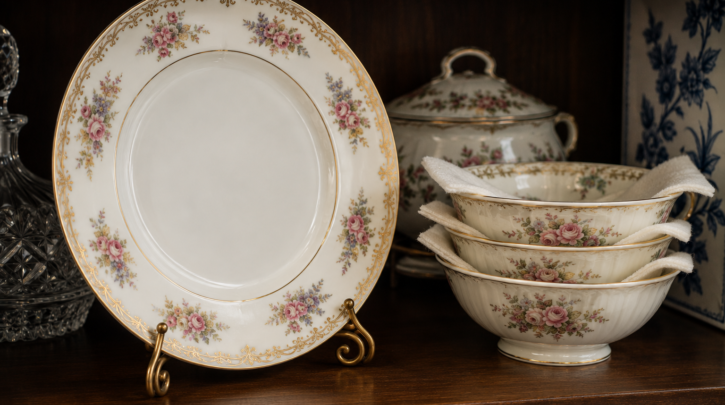
Storing and Displaying Pottery Safely
Good storage and display habits prevent far more pottery damage than any cleaning or repair routine ever will, since they address the risk before it causes a problem rather than fixing damage after the fact. Physical Stability for Displayed Pieces Display stands and plate hangers…