 Written by: Pottery Marks Editorial Team
Posted on: July 11, 2026
Written by: Pottery Marks Editorial Team
Posted on: July 11, 2026
Pottery Marks Identification: A Complete Guide
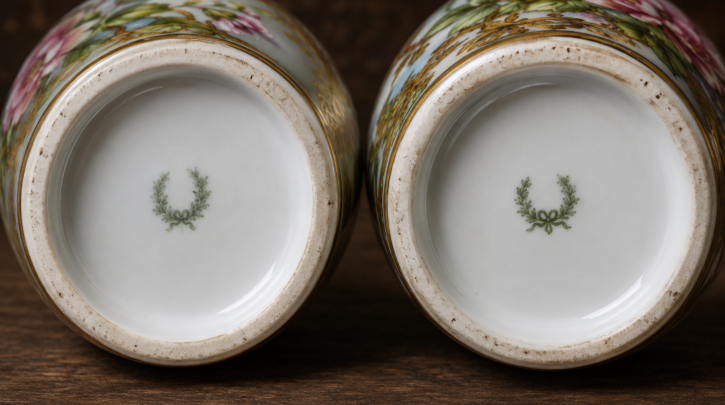
Identifying a piece of pottery comes down to reading several different kinds of information packed into one small backstamp, plus the physical piece itself — and knowing what each element actually tells you turns a confusing jumble of words and symbols into a genuinely useful…
 Written by: Pottery Marks Editorial Team
Posted on: July 11, 2026
Written by: Pottery Marks Editorial Team
Posted on: July 11, 2026
Dating Pottery by Country-of-Origin Marks
A single word on the bottom of a plate can narrow its manufacture date to a specific multi-decade window, thanks to a piece of 19th-century American trade law that most collectors rely on without ever having heard its name: the McKinley Tariff Act. The McKinley…
 Written by: Pottery Marks Editorial Team
Posted on: July 11, 2026
Written by: Pottery Marks Editorial Team
Posted on: July 11, 2026
Nippon Marks: A Complete Guide
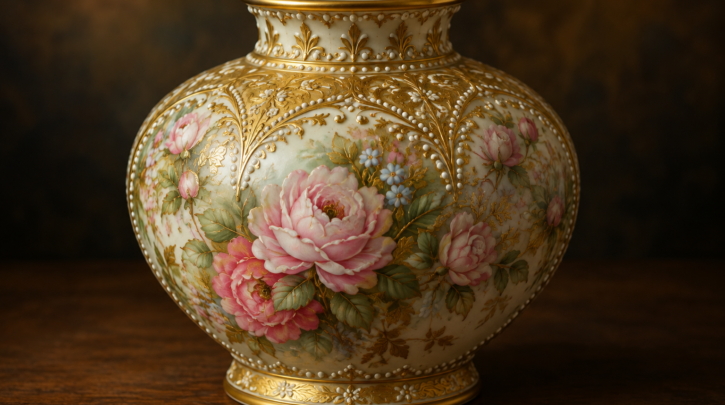
“Nippon” is simply the Japanese word for Japan, but on the bottom of a piece of porcelain, it functions as a remarkably precise dating tool — genuine Nippon marks were used for exactly thirty years, giving collectors one of the cleanest dating windows in the…
 Written by: Pottery Marks Editorial Team
Posted on: July 11, 2026
Written by: Pottery Marks Editorial Team
Posted on: July 11, 2026
British Registration Marks: A Complete Guide
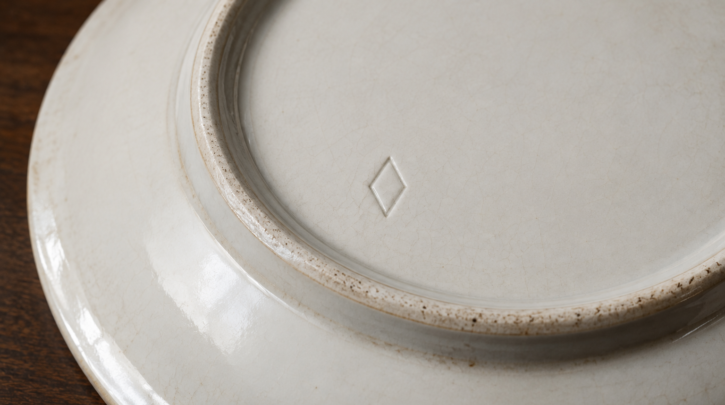
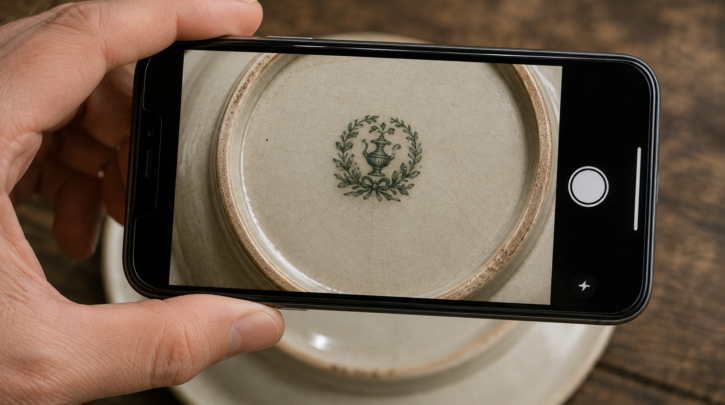
British pottery carries an additional layer of dating information beyond country-of-origin wording: a formal design registration system, unique to the United Kingdom, that recorded exactly when a specific design was legally registered. The Diamond-Shaped Registration Mark: 1842-1883 Between 1842 and 1883, the UK used a…
 Written by: Pottery Marks Editorial Team
Posted on: July 11, 2026
Written by: Pottery Marks Editorial Team
Posted on: July 11, 2026
How to Read a Pottery Backstamp
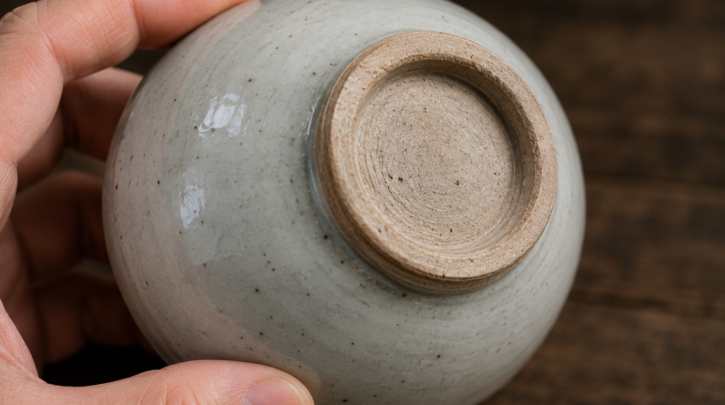
Reading a pottery backstamp well means working through several distinct pieces of information in a consistent order, rather than trying to absorb everything at once — a practical, repeatable process that gets faster the more pieces you work through. Step One: Note the Material Before…
 Written by: Pottery Marks Editorial Team
Posted on: July 11, 2026
Written by: Pottery Marks Editorial Team
Posted on: July 11, 2026
Unmarked Pottery: How to Identify It Anyway
A genuinely large share of pottery in circulation today carries no mark at all — some pieces simply predate systematic marking conventions, others had marks worn away by decades of use, and identifying these pieces requires a different, more physical approach. Why So Much Pottery…